
Mission: We help mission-driven, high-accountability organizations strengthen organizational health and performance through evidence-based organizational development and applied learning.
About: Eagle Eye Consulting & Training partners with mission-driven, high-accountability organizations to improve organizational health and effectiveness. Our work focuses on aligning strategy, structure, and people systems so organizations can perform effectively while supporting the well-being of their workforce and the communities they serve. We support small to mid-sized organizations across the public, nonprofit, and private sectors.
Our practice is grounded in evidence-based organizational development and applied learning. Through collaborative assessment, consulting, and facilitation, we help leaders translate insight into practical programs, processes, and structures that strengthen leadership alignment, workforce stability, and organizational performance over time. We emphasize implementation, not just planning or training, and work alongside stakeholders to build internal capacity for sustained change.
A significant area of our work supports high-risk service sectors, including healthcare, emergency services, corrections, and military- and veteran-serving systems. In these environments, organizational effectiveness is closely tied to trauma exposure, burnout, moral injury, and retention. Our applied learning and organizational development efforts are designed to support healing and growth while strengthening the systems, culture, and leadership practices organizations rely on under pressure.
-
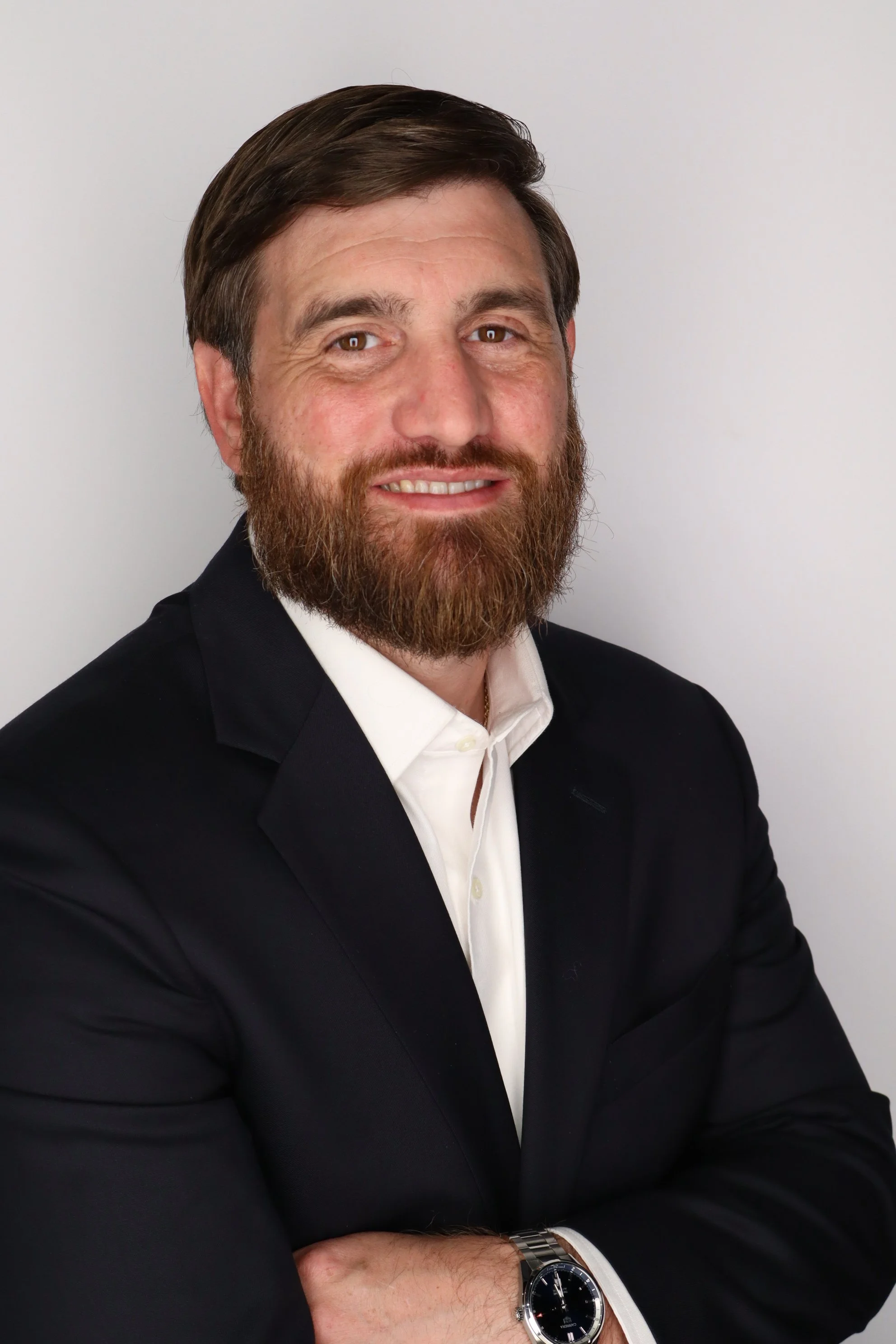
Kevin Lambert is the Founder and Principal Consultant of Eagle Eye Consulting & Training, a Service-Disabled Veteran-Owned Small Business specializing in organizational development, strategic consulting, and applied learning. He partners with mission-driven, high-accountability organizations to strengthen organizational health and effectiveness by aligning strategy, structure, and people systems.
Kevin brings over 20 years of cross-sector experience spanning federal and state government, nonprofit organizations, higher education, and community-based systems. His work focuses on organizational assessment, leadership alignment, change management, and implementation—supporting leaders not only in defining strategy, but in translating insight into practical programs, processes, and structures that endure.
A U.S. Army veteran with operational and crisis experience, Kevin has spent much of his career supporting high-risk service sectors, including healthcare, public safety, corrections, and military- and veteran-serving systems. His background includes developing and leading statewide peer-support, suicide-prevention, and organizational wellness initiatives, as well as designing and delivering evidence-based training and organizational development interventions in complex environments.
Kevin holds a Master of Arts in Organizational Psychology and has served as an adjunct faculty member in graduate organizational psychology programs. He is known for his collaborative, evidence-based approach and his ability to work effectively with leaders and stakeholders operating under pressure, regulatory oversight, and public scrutiny.
-
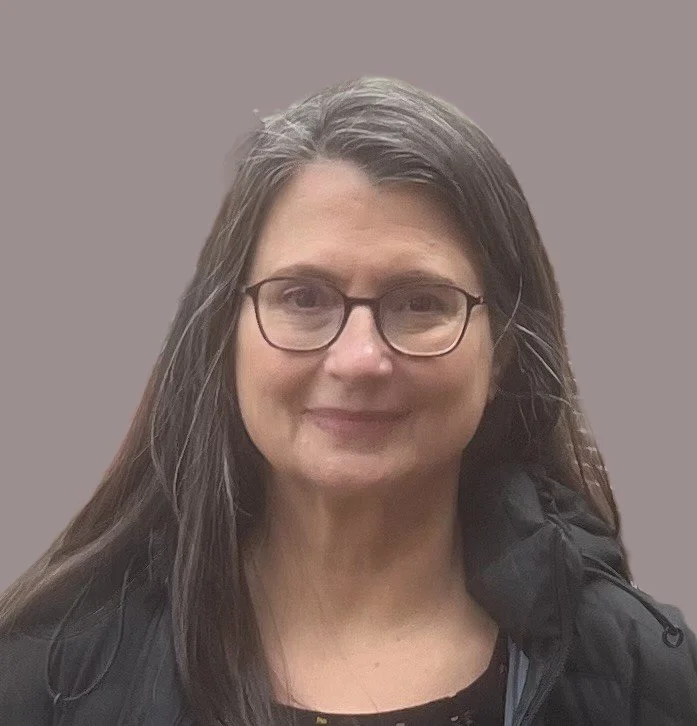
Beverly Prestwood-Taylor, D.Min., a nationally recognized workshop leader and trainer in community trauma healing and moral injury, and cofounded the Brookfield Institute (BI) in 2007. The Institute is a 501C3 training organization developed to respond to large scale trauma experienced by individuals, families and communities. Prestwood-Taylor began applying her work to veterans in 2008 after a colleague’s son suffered from undetected post-traumatic stress disorder (PTSD) and died by suicide in the months after he served in Iraq. She was moved to create initiatives to educate military families, community providers, and congregations about how warfare trauma is manifested and how to provide ongoing, proactive support to veterans and military families.
In addition, Dr. Prestwood-Taylor worked extensively in Latin America and Rwanda, training communities in resilience-building skills as they cope with such trauma as natural disaster, civil war, family violence and government oppression.
Dr. Prestwood-Taylor received her Doctor of Ministry in Conflict Transformation and Trauma Healing from Hartford International University of Religion and Peace; Masters of Divinity from Boston University School of Theology and BA from Bucknell University. She trained in Community Conflict Mediation at Plowshares Institute, is a certified trainer for Strategies for Trauma Awareness and Resilience (STAR) from the Center for Justice and Peace, Eastern Mennonite University. Rev. Dr. Prestwood-Taylor is ordained in the United Church of Christ.
-
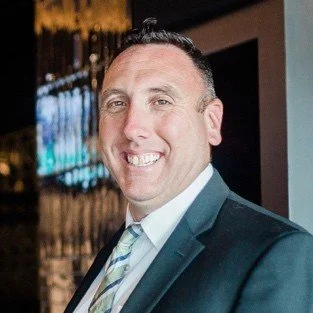
Jay is a 2004 graduate of the 12th Municipal Police Officers Class (MPOC) at the MBTA Transit Police Academy in Quincy, MA. He holds a Bachelor of Science Degree in Criminal Justice from the University of Massachusetts at Lowell and a Master of Science in Criminal Justice with a concentration in Forensic Psychology from Liberty University. Currently, Jay is a sergeant assigned as the supervisor of the Community Impact Unit (CIU) with the Framingham Police Department. Prior to this assignment, he spent time as patrol sergeant, narcotics detective, general duties detective, patrol officer, evidence officer, school resource officer, and a former Law Enforcement Liaison to the Middlesex County Veterans Treatment Court. Jay is also an adjunct faculty member at the Center for Crisis Response and Behavioral Health at William James College in Newton, MA and the lead law enforcement instructor for Abbott Solutions for Justice; instructing various mental health, investigative, veteran, and police culture subjects to police officers, civilians, academics, and to members of government agencies (domestically and internationally); which include the Washington, DC Metropolitan Police Department and the An Garda Siochana (the national police for the Republic of Ireland). As a United States Army Veteran, Jay has experience with deployment and critical incidents; as well as helping veterans and first responders eliminate the stigma which is frequently associated with mental health.